 Chat with us

Call us now :
 Send Inquiry
 Send Inquiry
Analytical Sensors
Price 850 INR/ Unit
MOQ : 1 Unit
Analytical Sensors Specification
- IP Rating
- IP65
- Mounting Type
- Panel / Inline / Immersion
- Cable Length
- 2 meters
- Signal Type
- Analog, Digital
- Sensitivity
- High
- Application
- pH Measurement, Conductivity, ORP, Dissolved Oxygen
- Interface
- RS485, USB
- Wireless
- No
- Sensor Type
- Electrochemical, Optical
- Measurement Range
- 0-14 pH, 0-10000 µS/cm
- Features
- High Stability, Auto Calibration, Compact Design
- Power Consumption
- <2 W
- Operating Temperature
- 0°C to +60°C
- Response Time
- <5 seconds
- Product Type
- Analytical Sensor
- Material
- Stainless Steel, ABS Plastic
- Input
- Analog / Digital
- Output
- 4-20 mA, Digital Signal
- Function
- Measurement and Analysis of Physical/Chemical Properties
- Usage
- Laboratory, Industrial Automation, Environmental Monitoring
- Accuracy
- ±0.5% of Full Scale
- Resolution
- 0.01 unit
- Voltage
- 12-24 V DC
- Weight
- Approx. 250 g
- Humidity Range
- 0-95% RH, Non-condensing
- Connector Type
- BNC / DIN
- Housing Color
- White & Blue
- Storage Temperature
- -10C to +70C
- Service Life
- >2 years
- Shock Resistance
- Standard Industrial
- Ambient Pressure Range
- 0-10 bar
- Calibration Method
- Automatic & Manual
- Display
- Integrated LED (Optional)
- Electronics Protection
- Hermetically Sealed
- Approval
- RoHS Compliant
- Protection
- Overvoltage & Reverse Polarity
- Sampling Method
- Continuous or Batch
- Electrode Type
- Replaceable
- Maintenance
- Low
Analytical Sensors Trade Information
- Minimum Order Quantity
- 1 Unit
- Main Domestic Market
- North India
Analytical Sensors About
We are persistently striving to sustain our high credibility in the market by supplying an extensive range of Analytical Sensors. These sensors are manufactured at our vendor's end using optimum quality materials. Offered sensors are ideal to measure heat and temperature. We make these Analytical Sensors available for clients in different sizes and specifications as per their requirements. Moreover, we offer these sensors at market leading prices to clients.
Features:
- Light in weight
- Maintenance free
- Highly efficient
Advanced Measurement Capabilities
The sensors offer high-precision analysis across multiple applications such as pH, conductivity, ORP, and dissolved oxygen. With a measurement range extending from 014 pH and up to 10,000 S/cm, users benefit from a resolution of 0.01 unit and accuracy of 0.5% full scale, ensuring consistent and trustworthy results for process control and environmental monitoring.
Robust Design and Protection
Manufactured using stainless steel and ABS plastic, these sensors are hermetically sealed for superior electronics protection and rated IP65 for dust and water resistance. They withstand ambient pressures from 010 bar, operate in wide temperature and humidity ranges, and are equipped with standard industrial shock resistance for reliable performance in tough conditions.
User-Friendly Calibration & Maintenance
Calibration is effortless with both automatic and manual options, minimizing downtime and ensuring measurement accuracy. Replaceable electrodes and low maintenance requirements further enhance operational convenience, making these sensors an economical and efficient choice for continuous laboratory or industrial use.
FAQs of Analytical Sensors:
Q: How do I install these analytical sensors for optimal performance?
A: These sensors can be mounted using panel, inline, or immersion methods, depending on application requirements. Ensure the mounting location adheres to the operating temperature (0C to +60C), pressure (010 bar), and humidity (095% RH, non-condensing) specifications for best performance.Q: What is the recommended calibration process for these sensors?
A: You can calibrate the sensors either automatically or manually, as per your workflow. Automatic calibration enhances consistency, while manual calibration allows adjustment for unique sample conditions. Both methods help maintain high accuracy and stability over the sensors service life.Q: When should I replace the electrode in these sensors?
A: Electrodes are designed to be replaceable and typically offer a service life of over two years. Replacement should be performed if response time increases significantly, sensitivity drops, or calibration becomes difficult despite normal maintenance.Q: Where are these analytical sensors most commonly used?
A: The sensors are suitable for a variety of environments including laboratories, industrial automation systems, and environmental monitoring setups. Their rugged design and versatile mounting options make them ideal for use across different sectors in India.Q: What are the main benefits of the integrated LED display feature?
A: The optional integrated LED display provides real-time measurement feedback, making setup and verification quicker. This visual interface improves usability and reduces operator errors during analysis and calibration.Q: How does the sensor protect against electrical faults?
A: Designed with overvoltage and reverse polarity protection, the sensor safeguards internal electronics from common electrical risks. Hermetically sealed electronics further prevent damage from moisture, dust, and industrial contaminants.Q: What is the process for connecting these sensors to data acquisition systems?
A: Connection is facilitated via BNC or DIN connectors, with 2-meter cable lengths. The sensors support analog (420 mA), digital signal output, and interfaces such as RS485 and USB, allowing seamless integration into diverse laboratory or factory automation systems.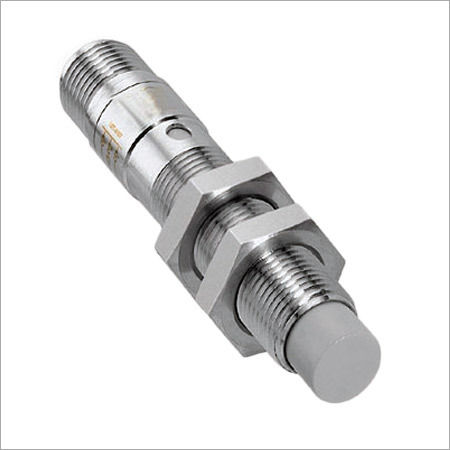
Tell us about your requirement

Price:
Quantity
Select Unit
- 50
- 100
- 200
- 250
- 500
- 1000+
Additional detail
Mobile number
Email


 Send Inquiry
Our Products
- Delta Industrial Automation
- Industrial Automation Systems
- Industrial Llift and Hoist
- Multispan
- Electronic Relays
- C & S ELECTRIC
- Pyrotech Panels
- Electronic Accessories
- Programmable Logic Controller
- Control Panel
- SS Panel
- INVT DRIVE
- INVT SERVO SET
- INVT PRODUCTS
- BRAKE RESISTANCE (DBR)
- YASKAWA PRODUCTS
- ABB PRODUCTS
- IGBT
- AUTONICS
- OMRON
- SIEMENS
- DUCT

Plot no 425, Sector 25 Phase 2, Landmark: Huda park,Panipat - 132103, Haryana, India

Mr Kapil Dua
(Proprietor)
Mobile :+919315333867, +919138795666
 Send Inquiry
 Send SMS
Developed and Managed by Infocom Network Private Limited.
