 Chat with us

Call us now :
 Send Inquiry
 Send Inquiry
Rotary Encoders
Price 2,000 INR/ Piece
MOQ : 50 Pieces
Rotary Encoders Specification
- Control Type
- Incremental & Absolute
- Phase
- 2 Phase Output (A/B Channels)
- Connectivity Type
- Wired, Connector Options Available
- Automation Grade
- Automatic
- IP Rating
- IP65
- Features
- High Precision, Durable, Easy Installation, Noise-immune Signal Output
- Sensor Type
- Rotary Incremental/Absolute Encoder
- Cable Length
- 2 meters standard
- Speed Range
- 0-6000 RPM
- Mounting Type
- Flange and Shaft Mount
- Frequency
- Up to 10 kHz Output Frequency
- Drive Type
- Direct Shaft Coupling
- Application
- Industrial Automation, Robotics, CNC Machines
- Processor Type
- Optical Sensor-based Processing
- Weight
- Approx. 150 g
- Material
- Aluminum Alloy Body, High-Quality Sensor Components
- Power
- 5-24 VDC
- Temperature
- -20°C to +85°C
- Voltage
- 5-24 VDC
- Shaft Diameter
- 6 mm
- Output Type
- NPN/PNP Open Collector, Line Driver, Push-Pull (TTL/HTL)
- Housing Diameter
- 38 mm or 50 mm (Model Dependent)
- Protection
- Short circuit and reverse polarity protected
- Resolution
- 100/200/360/500/1000 PPR (selectable)
- Response Time
- <1s
- Operating Humidity
- 35-85% RH (No condensation)
Rotary Encoders Trade Information
- Minimum Order Quantity
- 50 Pieces
- Main Domestic Market
- All India
Rotary Encoders About
For our vast knowledge in this domain, we are counted amongst the most profound suppliers of Rotary Encoders. In CNC machines, these encoders are used for determining multi-axis orientation. Our expert procuring agents obtain these encoders from authentic vendors of the market. To provide a defect free range, we check these Rotary Encoders on sturdiness and performance parameters. We offer these encoders at cost effective prices.
Features:
- Highly efficient
- Light weight
- Compact design
Precision Feedback for Demanding Applications
The rotary encoder delivers high-resolution position and speed feedback essential for advanced automation tasks. Its selectable resolutionfrom 100 to 1000 pulses per revolutionmakes it suitable for both coarse and fine control requirements. Industrial-grade materials ensure long-term reliability, especially where precise motion is critical, such as in robotics, CNC machines, and factory automation systems.
Outstanding Connectivity and Protection
Supporting multiple output types, including NPN/PNP open collector, line driver, and push-pull (TTL/HTL), this encoder integrates smoothly with varied control systems. Built-in short circuit and reverse polarity protection safeguards the device and connected equipment, reducing downtime and increasing operating confidence during setup and ongoing use.
Versatile Mounting and Installation
The encoder offers both flange and shaft mounting options, allowing seamless integration into existing machine designs. With its IP65-rated aluminum alloy housing and standard 2-meter cable, installation is straightforward and robust, even in challenging industrial environments. Fast response time ensures accurate real-time measurement for dynamic applications.
FAQs of Rotary Encoders:
Q: How can I select the appropriate resolution for my application?
A: The rotary encoder provides selectable resolutions from 100 to 1000 pulses per revolution (PPR). Choose a lower PPR for basic position feedback or a higher PPR for precise speed and movement control in applications such as CNC machining and robotics.Q: What are the main benefits of using this encoder in industrial automation?
A: Key benefits include high precision, rapid response time (<1s), noise-immune signal output, and robust protection measures such as IP65 rating, short circuit, and reverse polarity safeguards. These features help maximize uptime and ensure reliable data feedback in demanding automation environments.Q: When should I use incremental versus absolute control types?
A: Incremental encoding is ideal for determining relative position or speed in systems like conveyors and motors, while absolute encoding is necessary for applications that require the encoder to retain exact positional data during power loss, such as in robotic arms.Q: Where can this rotary encoder be installed?
A: The encoders flange and shaft mounting options, along with a choice of housing diameters (38 mm or 50 mm), make it suitable for installation in a variety of machines, including automated systems, CNC equipment, and robotic platforms within industrial settings.Q: What is the process for connecting and powering the encoder?
A: Connect the encoder using the standard 2-meter cable to your control system; select the desired output type (NPN/PNP open collector, line driver, or push-pull TTL/HTL). Power the device with 5-24 VDC, ensuring proper polarity, leveraging built-in protection for reliable operation.Q: How does the encoder ensure reliability in harsh environments?
A: The aluminum alloy body, IP65 enclosure, and high-quality sensor components protect against dust, moisture, and vibration. It operates within temperatures from -20C to +85C and humidity between 35 to 85% RH (non-condensing), providing consistent performance even in industrial conditions.Q: What usage recommendations help extend the encoders lifespan?
A: To maximize lifespan, mount the encoder securely using appropriate methods, avoid condensation, keep electrical connections stable, and operate within specified voltage and speed ranges (0-6000 RPM, 5-24 VDC). Routine inspections and adherence to installation guidelines support long-term accuracy and reliability.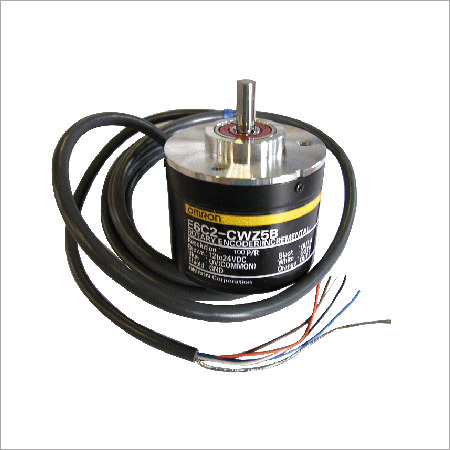
Tell us about your requirement

Price:
Quantity
Select Unit
- 50
- 100
- 200
- 250
- 500
- 1000+
Additional detail
Mobile number
Email

More Products in Industrial Automation Systems Category
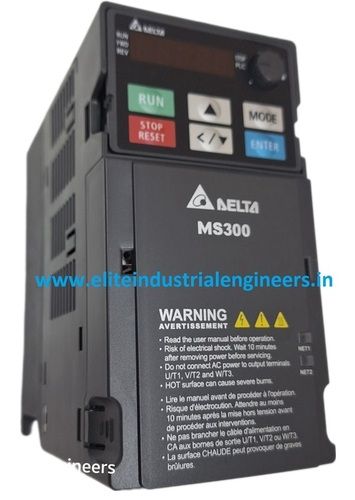
DELTA AC DRIVE MS-300 2HP 3PHASE
Price 10500 INR / Piece
Minimum Order Quantity : 1 Piece
Features : Energy saving, overvoltage/undervoltage/overcurrent protection, autotuning, braking unit, builtin PLC
Remote Control : Yes
Voltage : 3phase, 380480V AC
Automation Grade : Automatic
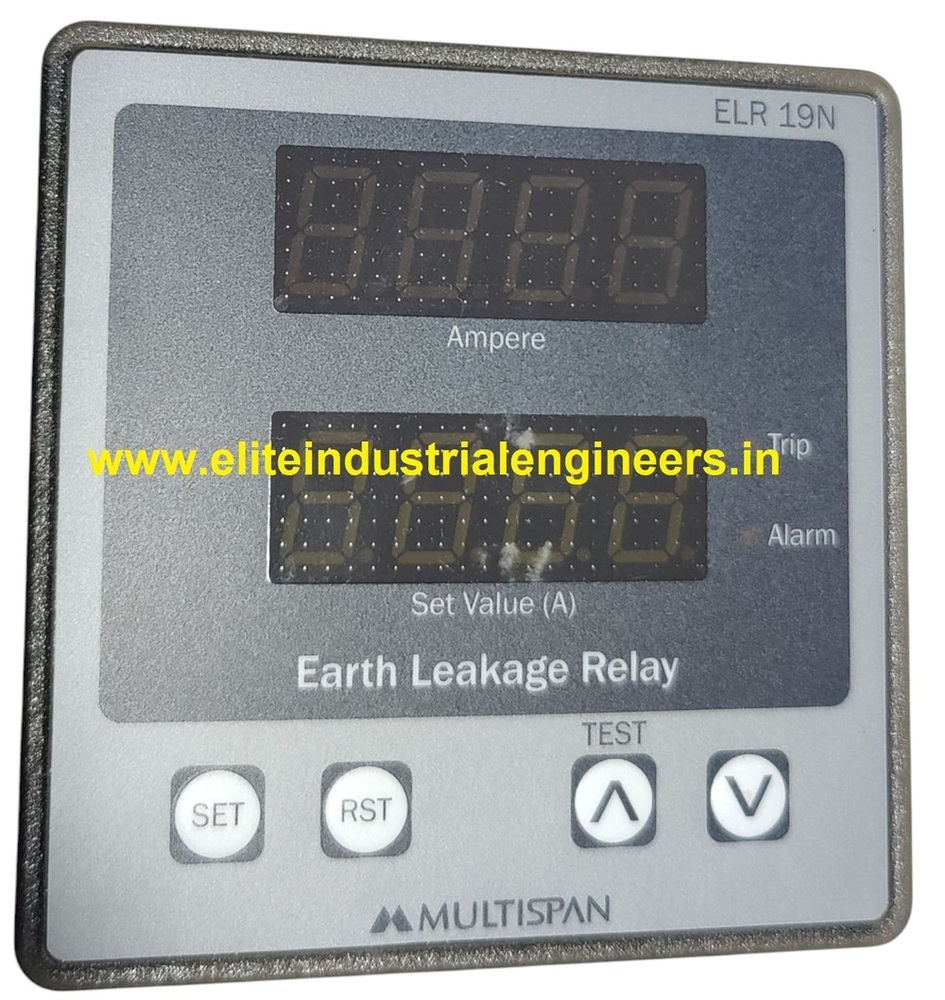
MULTISPAN ELR-19N-E3-10
Price 1260.0 INR / Piece
Minimum Order Quantity : 1 Piece
Features : Test & Reset Facility, Under/Over Voltage & Protection, Adjustable Time Delay
Remote Control : Yes
Voltage : 230V AC 15%
Automation Grade : Automatic
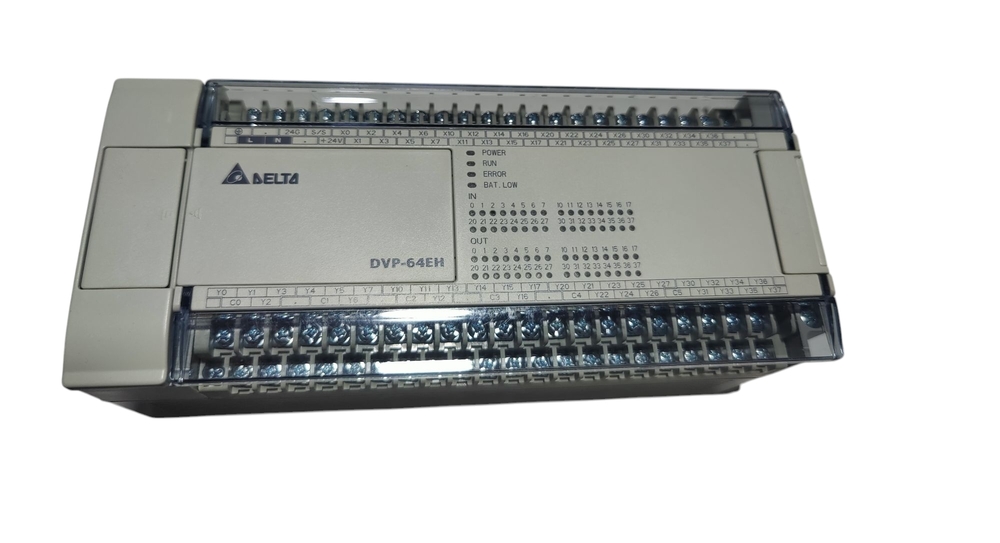
DELTA PLC DVP64EH00T3
Price 23988.45 INR / Piece
Minimum Order Quantity : 1 Piece
Features : High Speed Processing, Expandable I/O, Data Logging
Remote Control : Yes
Voltage : 24 VDC
Automation Grade : Automatic
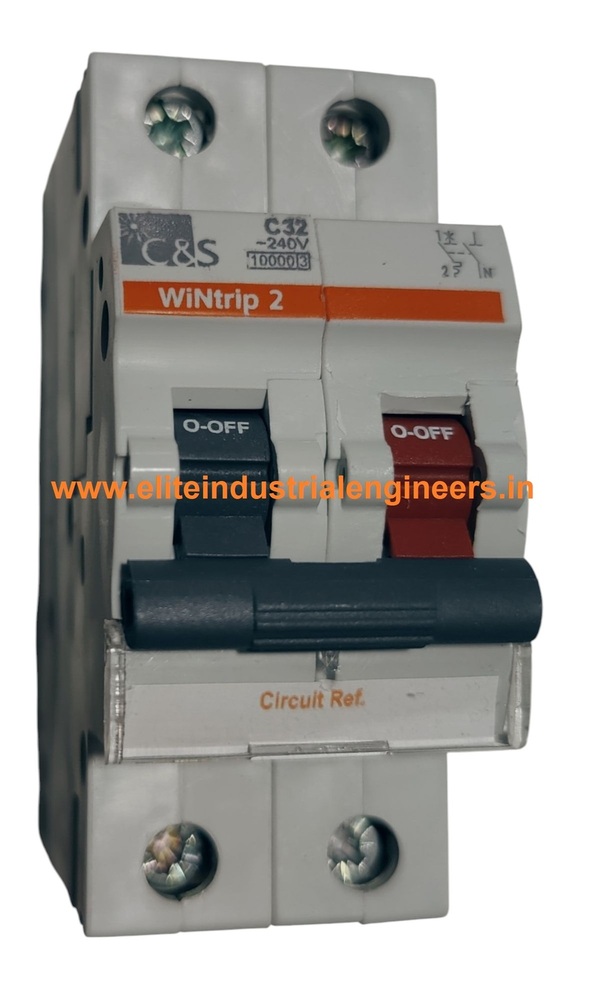
C&S MCB SPN 32
Price 780.7 INR / Piece
Minimum Order Quantity : 1 Piece
Features : Good Quality
Remote Control : Yes
Voltage : 110215 Volt (v)
Automation Grade : No

 Send Inquiry
Our Products
- Delta Industrial Automation
- Industrial Automation Systems
- Industrial Llift and Hoist
- Multispan
- Electronic Relays
- C & S ELECTRIC
- Pyrotech Panels
- Electronic Accessories
- Programmable Logic Controller
- Control Panel
- SS Panel
- INVT DRIVE
- INVT SERVO SET
- INVT PRODUCTS
- BRAKE RESISTANCE (DBR)
- YASKAWA PRODUCTS
- ABB PRODUCTS
- IGBT
- AUTONICS
- OMRON
- SIEMENS
- DUCT

Plot no 425, Sector 25 Phase 2, Landmark: Huda park,Panipat - 132103, Haryana, India

Mr Kapil Dua
(Proprietor)
Mobile :+919315333867, +919138795666
 Send Inquiry
 Send SMS
Developed and Managed by Infocom Network Private Limited.
